This post is also available in:
Blog post written by Christina Schwann
September 2, 2026
Reading time: 20 min
This article is from the Summer 2026 issue of the ÖKAS trade magazine *analyse:berg* #31. Subscribe to *analyse:berg*. That way, you’ll have the magazines conveniently delivered to your home as soon as they’re published, enjoy unlimited online access, and support the work of ÖKAS at the same time.
Between November 1, 2005, and October 31, 2025, there were seven fatal accidents involving cows in alpine terrain in Austria. The victims included five hikers and two alpine farmers. The last three fatal accidents occurred in succession in 2023, 2024, and 2025. At least one dog was involved in all of the accidents involving hikers. If we compare the number of deaths to the number of fatalities in the Hiking/Mountaineering category—namely 2,083 over the past 20 years, or an average of 104 people per year—then fatal accidents caused by cow attacks are extremely rare. However, the injuries are always severe, and the consequences for family members, alpine farmers, and the tourism industry are catastrophic.
Christina Schwann,
, Ecologist
After a married couple was attacked by cows on August 31, 2025, right in front of the Austriahütte on the Dachstein—the woman survived with serious injuries, while the man died at the scene of the accident—the danger apparently posed by grazing animals has once again come sharply into focus. After all, this is the fifth fatal accident involving hikers since 2013. The Alpenverein Austria is responding by organizing a symposium and launching a pilot project in the region to improve measures at all levels. And even while this work is still underway, the next fatal cow attack occurs on May 18, 2026, on a hiking trail along the Isel River in East Tyrol (this accident does not appear in the ÖKAS database, as it occurred in a valley rather than in alpine terrain).
What is going on here? Are the cows becoming more aggressive? Is it due to the behavior of hikers, dogs they bring along, climate change, or modern livestock farming, which involves less human-animal contact? On pages 58 through 60, we reviewed data from the ÖKAS accident database covering the last 20 years; we attended the workshops in Ramsau, interviewed experts, combed through the literature, and tried to form a picture of the situation. But it’s not that simple, and objectivity is more crucial than ever in this matter, because there is no single decisive cause or one effective measure to prevent fatal accidents. Rather, what is needed is more education, new tools for route planning, consistent and open cooperation among local stakeholders, and, last but not least, a new awareness of the alpine pasture as both an economic and recreational area.
The ÖKAS Data
What kinds of accidents are we talking about, anyway? We used the ÖKAS accident database as our basis, which we systematically searched for the relevant disciplines (Hiking/Mountaineering, mountain biking, rock climbing, via ferrata, workplace accidents, and other). Since incidents involving horses or sheep are extremely rare, we focused solely on accidents involving cows. An automated search isn’t possible here, since there is no “cow accident” category. The key factor, therefore, is the description field, where the alpine police officer briefly explains the circumstances of the accident. And these accident descriptions range from “slipped on cow dung” and “overlooked a pasture fence” to actual cow attacks. Excluding indirect accidents or those related solely to pasture infrastructure, we’re left with those in which grazing animals themselves play an active role. In some cases, hikers approach the animals to take a photo; the cow runs away when the hiker shows interest or approaches (harmlessly), causing the hiker to stumble; adults believe a child must sit on a cow; or the cow makes a quick head movement to
Shaking off flies and accidentally striking a hiker passing very close by—that is, cow-related incidents in which the animal or herd did not initially react aggressively. In other cases, however, reports indicate that the cows were restless and actively ran toward hikers or actually attacked them—sometimes because a mother cow was apparently defending her calf, but just as often for no apparent reason. A dog accompanying the hiker often played a role. During the period from November 1, 2005, to October 31, 2025, we identified a total of 208 cow-related accidents, resulting in 165 injuries and a total of seven fatalities.
Two deaths were classified as “work-related accidents.” These involved alpine farmers, who certainly know exactly how to handle their animals. However, it is also undisputed that working with cattle is generally one of the most dangerous agricultural activities. Each year in Austria, there are one to two fatal accidents in barns or on pastures. The Social Insurance Institution for the Self-Employed has even published a separate information sheet for farmers titled “Cattle Farming—Safe Animal Husbandry, Barn Construction, Milking, Breeding Bulls, Hoof Care, Loading, and Herding” (SG-606, as of 2026, svs.at).
The other five fatal accidents occurred while hiking/mountaineering. The incidents took place in 2013, 2014, 2017, 2024, and 2025. In 2026, there was another incident in East Tyrol, but as already mentioned, it does not appear in the ÖKAS database.
With the exception of one person, the victims were from Austria, were between 40 and 85 years old, and were traveling on a marked hiking trail or a road. It is difficult to identify any patterns, whether in terms of age, terrain, weather conditions, season, or herd structure (e.g., mother-calf herding). However, at least one dog was involved in all fatal accidents, and an increase can be observed over the past 20 years in both the number of fatalities and the number of injuries (69 seriously injured, 36 with injuries of unspecified severity, 59 slightly injured): While the average number of people involved in accidents (uninjured, injured, and fatalities) per year, the figure has risen to 14 people involved in accidents per year from 2015/16 to 2024/25. We do not know the number of unreported incidents involving threatening encounters with cows, but it can be assumed that, given the large number of recreational athletes on alpine pastures, unpleasant situations occur frequently.
–> For more details on fatal accidents involving cows, see the article “Fatal Accidents Involving Grazing Livestock in Austria.”
Alm: A Place of Conflict—Between Agriculture and a Place of Longing
The term “Alm” refers to a mountain pasture used for agricultural purposes that is not covered by forest. Alms are open meadows, usually rich in biodiversity, that shape the unique landscape of the Alps and are particularly valuable for tourism. However, alpine pastures are by no means of natural origin; rather, they are the result of a centuries-old tradition of mountain farming. Economic pressure, cheap competition, and the high labor intensity involved are leading to a significant decline in managed alpine pastures in many places—including in Austria. If these areas—which are usually located below the natural tree line—are no longer mowed or grazed, they will become increasingly overgrown with shrubs until, in a few decades, a continuous forest has formed. This is associated with a decline in biodiversity, a loss of identity, a reduction in tourist appeal, and—at least until a stable forest has reestablished itself—an increase in the potential for natural hazards.(1)
In Austria, however, around 427,000 animals still graze on 8,000 alpine pastures each year during the summer months, 70 percent of which are cattle. The federal states with the highest proportions of alpine grazing are Tyrol, Vorarlberg, and Salzburg.(2)
Suckler cow farming, which is frequently cited—especially in connection with cow attacks—has been in decline in Austria for years for economic reasons. As of 2024, about a quarter of all cows kept are suckler cows, a form of farming that remains well-suited to alpine pastures and best meets animal welfare standards—and thus also the needs of the conscious meat-eating consumer.(3)
At the same time, hiking is booming like never before. According to the Austrian Institute, about 60 percent of Austrians hike regularly, and roughly half of all tourists cite hiking as their main activity. (4) But sports such as mountain biking—especially e-mountain biking—climbing, via ferrata, and trail running are also experiencing a surge in popularity, which—fueled by unrestrained social media use (sharing of geolocations) —is even leading to so-called “overtourism” at some hotspots, such as Eibsee or Königssee in Germany, the Three Peaks or Pragser Wildsee in the Dolomites, and the Olpererhütte in the Zillertal Alps.
So on nice days, there’s definitely a lot going on at the alpine pastures—which pleases the restaurant owners up in the mountains and, of course, the farmers who offer regional products at their alpine pastures. Tourism and alpine farming go hand in hand, and this is certainly desirable for Austria’s small-scale agricultural sector, as direct marketing opens up a significant niche that makes it possible to earn a living in an otherwise ruinous food market.
That’s why the tourism campaign promoting the “Alpine Pasture as a Place of Longing”—with its rustic huts, the tinkling of cowbells, and its idyllic world—is so welcome. After all, the idea is to encourage tourism. And many people—both locals and visitors—are drawn to the idea of escaping their daily routines for a while, hiking at moderate altitudes, and stopping for a break at one of the alpine huts. But with such a large crowd, there are naturally also those who have had little connection to nature up to this point. Misplaced expectations and a disconnect from nature—possibly combined with a poorly trained dog—can become a problem not only on the mountain but also at the alpine pastures.
According to a study by the Konrad Lorenz Institute for Comparative Behavioral Research (conducted from 2023 to 2024), cows are socially oriented, feel most comfortable in a homogeneous herd, are curious, and perceive their surroundings with all their senses. The study notes that while the sense of sight is important, auditory and olfactory stimuli are even more significant, as they can trigger increased alertness and stress in cows. Particular emphasis is placed on “loud, abrupt, or persistent noises” as well as “predator-associated odors,” that is, from dogs or wolves, which trigger “consistent fear or vigilance reactions”—especially in mother cows, who instinctively defend their calves.
In summary, the composition of the herd and the total number of stimuli throughout the day play a role. In particular, the presence of dogs—that is, their scent—increases the herd’s alertness, which can escalate to an attack, and “aggressive reactions may persist even toward humans after the dog has left.”(5)
The extent to which the presence of large predators such as wolves and bears in Austria plays a role has not yet been studied. However, the Swiss magazine “Blick” reported in 2020 that cows—especially mother cows —are significantly more nervous in areas with wolves and are much quicker to perceive hikers with dogs as intruders and potential threats than in areas where no wolves have been detected. (6) Scientific monitoring by the Austrian Center for Bears, Wolves, and Lynx (7) confirms that the number of wolves—primarily those passing through—has been rising steadily in Austria since 2018. This is undoubtedly an issue that is discussed in a highly emotional and, unfortunately, sometimes unconstructive manner.
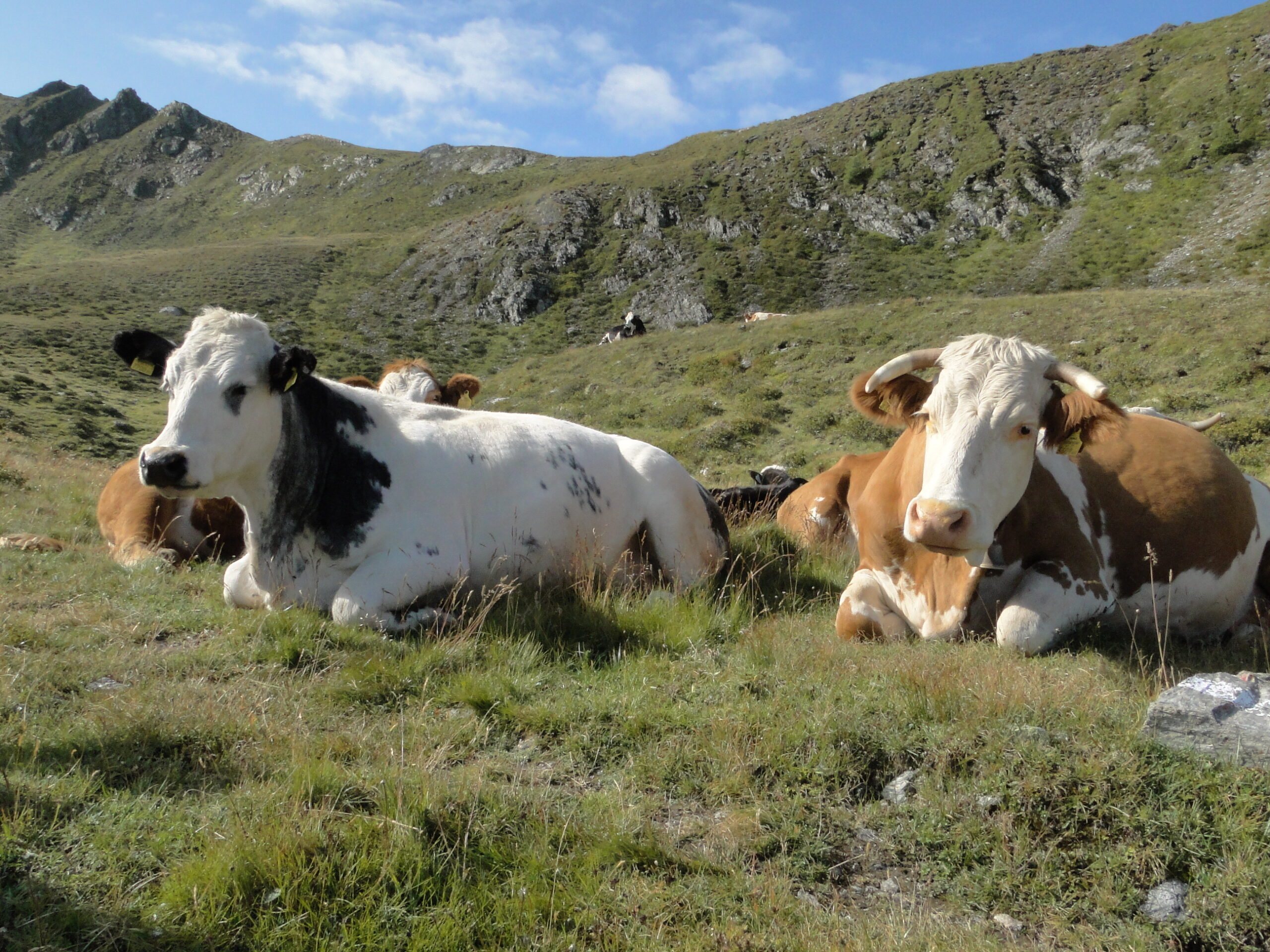
Fig. 1: Alpine pasture farming has a positive impact on animal welfare and promotes biodiversity in alpine meadows.
Photo: Christina Schwann
Consequences of Cow Attacks
The cow-related accidents that have occurred so far have had consequences. On the one hand, these have been legal in nature; on the other hand, they have also led to the development of measures and recommendations designed to ensure the safe coexistence of cows and humans on the alpine pastures.
From a legal perspective, the 2014 incident in the Pinnistal valley in Tyrol is worth mentioning. At that time, a German tourist who was walking with her leashed dog was attacked by a herd of mother cows on a heavily traveled, marked hiking trail and trampled to death. The criminal proceedings were dismissed. What followed was a civil lawsuit lasting several years, in which both the farmer’s liability and the hiker’s responsibility were examined. In the first-instance ruling in 2019, the farmer was found solely at fault and ordered to pay EUR 490,000 in damages to the victim’s surviving relatives. The reasoning: At the known hazard spot, where numerous hikers and the herd of mother cows converge, the farmer should have erected a fence in addition to the existing warning sign. Furthermore, he was aware that the cows had previously reacted aggressively toward hikers on two occasions.
However, the case was reheard by the Supreme Court, which ultimately awarded both the farmer and the vacationer 50–50 split of liability, since the hiker failed to maintain the necessary distance from the herd despite warning signs and, furthermore, was unable to release the dog in time because she was wearing the leash around her body with a snap carabiner. The total amount of damages was reduced to EUR 125,000, which was paid by the farmer’s insurance company.(8)
10 BEHAVIORAL GUIDELINES
Following the accident in the Pinnistal and the first-instance ruling by the Innsbruck Regional Court in February 2019, there was certainly a great deal of concern among alpine farmers and the tourism industry. A response was needed—and quickly. “The ‘Action Plan for Safe Alpine Pastures’ was presented as early as March,” said Mag. Markus Rief of the Federal Ministry of Agriculture and Forestry, Climate and Environmental Protection, Regions, and Water Management, Department of Strategic Communication and Media. This plan comprised three key measures: First, the development of a code of conduct for alpine pasture visitors, modeled after the ten FIS rules. Second, the development of a standard for alpine pasture and grazing management; and third, a corresponding amendment to the General Civil Code. “When drafting the rules, great importance was placed on achieving a balanced outcome that was sustainable for all parties involved. The goal was to clearly outline as many relevant situations as possible, to explain the behavior of grazing animals in a way that makes sense, and at the same time to emphasize the personal responsibility of alpine pasture visitors,” Markus Rief continues. Experts from the Ministry’s tourism and agriculture divisions were involved in the drafting process, as were representatives from the affected industries and organizations. In addition, experts were asked for their input. Just one month later, in April 2019, the ten rules of conduct were presented to the public. The speed with which they were developed is remarkable, and the ten rules—along with the accompanying videos—represent a milestone in the history of tourism in Austria, as they have gone some way toward dispelling the idealized, romanticized image of alpine pastures. Signs, brochures, and videos are available at sichere-almen.at.
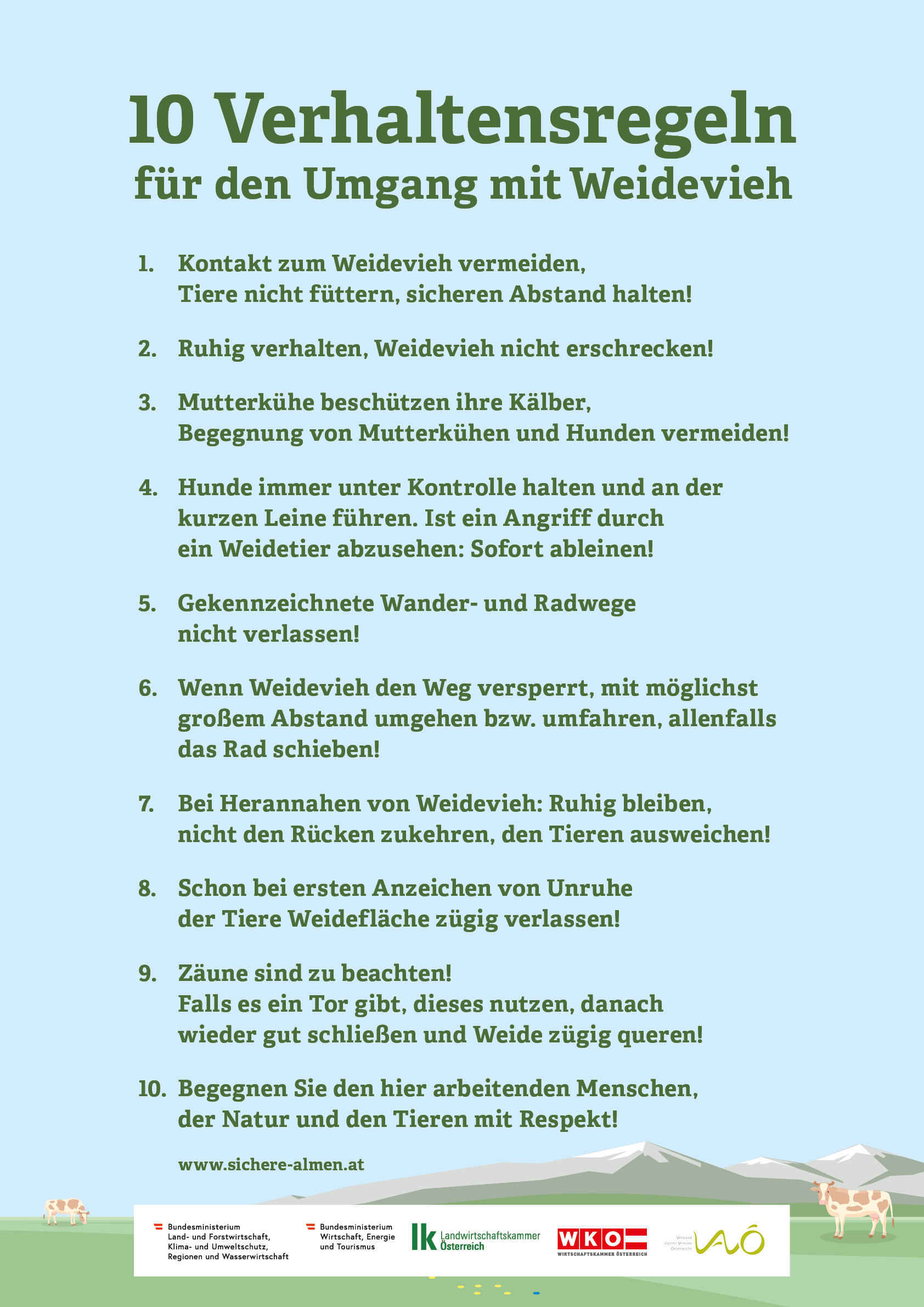
Fig. 2: The Ten Rules of Conduct for Interacting with Grazing Livestock.
Source: www.sichere-almen.at
IMPACT ON THE LEGAL SITUATION
As mentioned, one of the key measures of the “Action Plan for Safe Alpine Pastures” was an amendment to the General Civil Code (ABGB). Section 1320, concerning the liability of animal owners, was amended as follows: The level of personal responsibility expected of visitors to alpine pastures and grazing lands is determined by the risks posed by alpine pasture and grazing operations, traffic patterns, and applicable rules of conduct.
The Tyrolean Alpine Pasture Protection Act was also amended in 2019 (and supplemented in 2021), with two points explicitly included: First, it was clearly defined that, pursuant to Section 1 (Objectives), the Act serves to protect alpine pastures with the following objectives: a) to ensure their sustainable management and modern development in the public interest as the basis for a productive alpine farming industry, and b) to ensure their preservation and maintenance as part of the cultural and recreational landscape.
Second, Section 5, “Rules of Conduct on Alpine Pastures,” was included and worded as follows: (1) Visitors to alpine pastures must conduct themselves in such a way that alpine pasture operations are not impaired and, in particular, that grazing livestock is not disturbed, alarmed, or agitated by them or by animals they bring with them.
(2) In the interest of ensuring the uninterrupted operation of alpine pastures, as well as mutual consideration and the prevention of conflicts over use, the state government may issue regulations setting forth more detailed provisions regarding rules of conduct on alpine pastures, particularly for visitors who bring animals with them.
The Tyrolean Alpine Pasture Protection Act thus plays a pioneering role. Even though each accident must always be examined on a case-by-case basis, this law emphasizes visitors’ personal responsibility in adhering to the recommended guidelines and accordingly relieves the animal owner of liability when he or she fulfills their obligations. The only other similar Alpine Pasture Protection Act in Austria is found in Styria. However, that law does not explicitly mention the personal responsibility of visitors to alpine pastures or rules of conduct. In Upper Austria, alpine pasture protection is regulated by the Upper Austrian Alpine Pasture and Cultivated Land Protection Act; the other federal states regulate their alpine pasture protection through other state laws, while Burgenland and Vienna have no comparable legislation.
Alpenverein Austria Goes on the Offensive
Despite all efforts and recommendations, further accidents involving cow attacks have continued to occur. On the contrary, the number of incidents is on the rise.
PROJECT: “STAYING SAFE IN THE MOUNTAINS AND ALPINE MEADOWS, WITH OR WITHOUT A DOG”
The tragic accident in August 2025, which occurred right outside the doors of the Austriahütte on the Dachstein and in which a longtime official and honorary member of the Alpenverein Austria was killed and his wife was seriously injured, prompted the largest section of the Austrian Alpine Club to take proactive measures. MR Fritz Macher, as president, hosted a symposium on November 21, 2025, titled “Safety in the Mountains and on Alpine Pastures—With and Without Dogs.” According to Fritz Macher, the goal was not to analyze the accident in detail or even to assign blame, but “rather to find answers to the question of how such accidents could be prevented as much as possible in the future.” This was especially important because the couple involved in the accident did not fit any of the common stereotypes: They were accomplished mountaineers, had served for decades in the Alpine Club as youth leaders and instructors, were thoroughly familiar with the rules of conduct on alpine pastures, and were experienced dog owners. Although the two individuals clearly did nothing wrong, a tragic accident occurred.
The invitation was accepted by representatives of the Alpine clubs, Agrarmarketing Austria, the district veterinarian for the Lienz administrative district, the local farmers’ association president, a farmer and cattle trainer, and representatives of the
representatives from the mountain rescue service and the municipal council, as well as the mayor. Only the representatives from the tourism sector did not attend this first event, which was viewed as clearly negative in terms of future communication strategies. In addition, consultant and mediator DI Peter Kapelari was commissioned not only to deliver a keynote address as part of the symposium but also to lead a pilot project in the region—launched following the event—with scientific support from the Institute of Geography at the University of Innsbruck.
The objectives of the symposium and the subsequent workshops were clearly defined:
→ Minimizing the risk of further accidents involving grazing animals
→ Ensuring that alpine farming can take place with as little disruption as possible
→ Respect for private property and the contributions of mountain agriculture
→ Enabling safe recreational use, even with dogs
→ Treating one another with kindness and fostering a welcoming atmosphere
→ Creating a “best-practice”
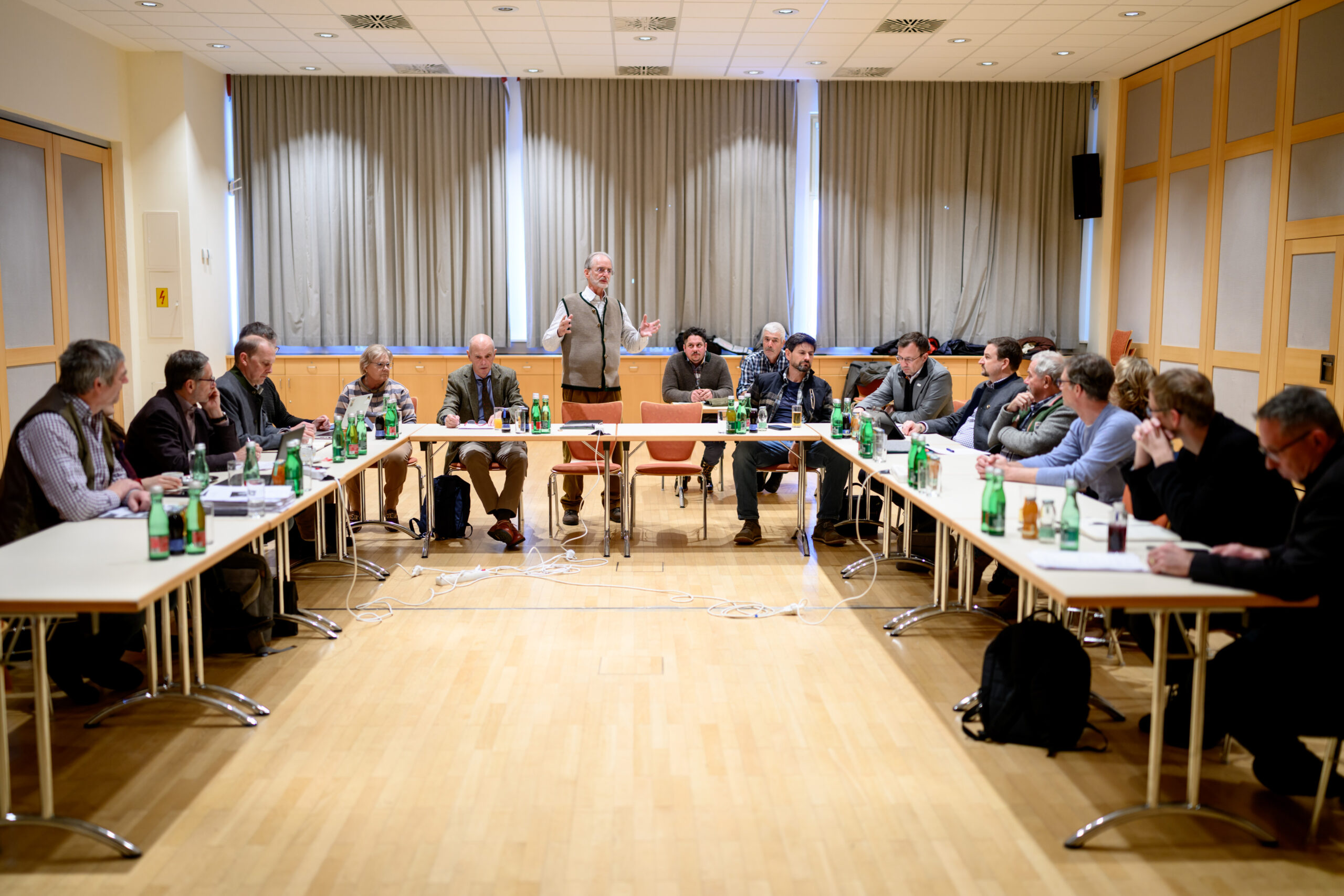
Fig. 3: Fritz Macher, President of the Alpenverein Austria, at the symposium “Staying Safe in the Mountains and on Alpine Pastures—With and Without a Dog” on November 21, 2025, in Ramsau am Dachstein.
Photo: Imre Antal
During the symposium, everyone agreed that the ten well-known guidelines for behavior on alpine pastures are insufficient if you are unable to plan your hike in advance due to a lack of information
can plan accordingly. As already addressed in the Tyrol state’s DIGIWAY project and as formulated in the article by Walter Würtl and Peter Plattner, “A Difficult Path,” in *analyse:berg*, Summer 2025, Issue 29, p. 54 ff., it is formulated as follows: “The point here is not to identify a ‘typical alpine hazard’ such as rockfall (or even herds of mother cows, Ed.) in the terrain and plotting them on maps, but rather about communicating an existing and known ‘elevated natural hazard situation’ as such,” the primary focus is on digital communication via interfaces to make the information available on all common platforms and hiking portals.
It’s not a “make-a-wish” situation like the one in Switzerland. On schweizer-wanderwege.ch, all areas with herds of suckler cows and livestock guard dogs—including time-specific information—are digitally available on the maps, which makes trip planning much easier, especially for dog owners.
However, as of the end of July 2026, this does not appear to be working to the extent intended in Ramsau, despite the accompanying bachelor’s thesis by Benedikt Manuel Weinberger titled “Map-Based Approaches to Communication: The Case of the Suckler Cow Project on the Dachstein.” On the one hand, the alpine farmers want the map to serve exclusively as an internal communication tool; on the other hand, it seems difficult to precisely delineate the suckler cow pastures, since suckler cows are at least mixed in everywhere (dairy herds, suckler cow herds, young stock). The approach of the bachelor’s thesis therefore remained “rather theoretical,” as Peter Kapelari admits. However, he emphasizes the positive atmosphere and the openness of the alpine farmers during the two workshops held so far, as well as, ultimately, the collaboration with the tourism sector. The tourism sector is already focusing on providing broad information, and Kapelari is convinced: “The messages are being passed on; there’s no need to reinvent the wheel here.” Apart from that, due to the last two fatal accidents (Dachstein 2025 and East Tyrol 2026), people in the region—especially dog owners—are now behaving in a significantly more cautious and disciplined manner.
PRELIMINARY FINDINGS AND MEASURES
Liability Issues: However, uncertainty still prevails among the Ramsau alpine farmers regarding the issue of liability. The Styrian Alpine Pasture Protection Act does not explicitly mention the personal responsibility of alpine pasture visitors to the same extent as the Tyrolean law. “No Dogs Allowed” signs that were independently posted by landowners in Ramsau have no legal validity, as confirmed by a written expert opinion by Peter Kapelari on liability issues in general. At most, they can be considered a warning, perhaps more forceful than the green signs (Fig. 4) typically used by the Chamber of Agriculture and the Alpine Club to indicate herds of mother cows.
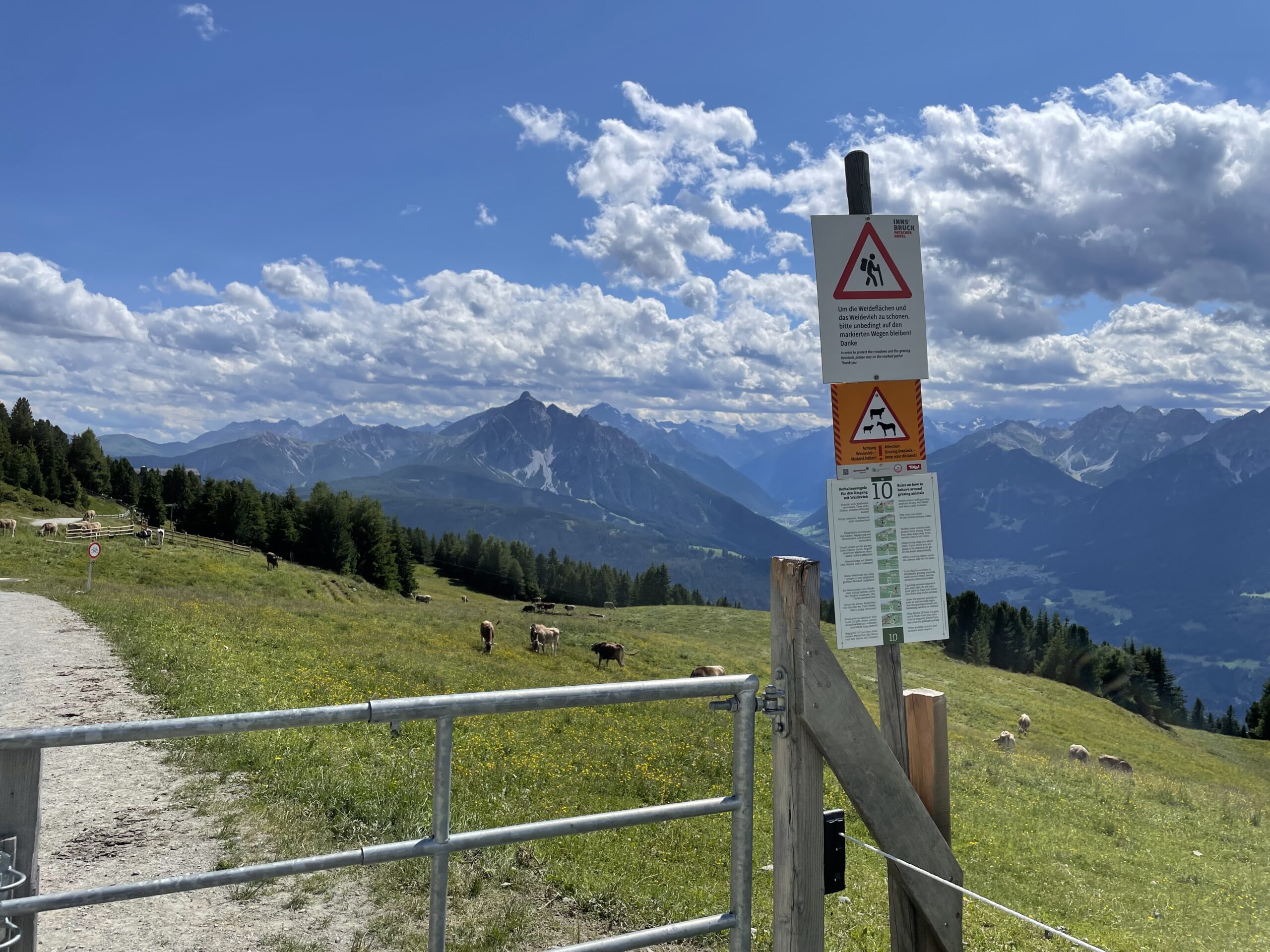
Here, too, Tyrol is one step ahead: When entering the alpine pasture (cattle gates, fence crossings, cattle barriers, etc.), visitors are alerted to grazing livestock and, where present, herds of mother cows by orange warning signs from the Tyrolean state’s “Bergwelt Tirol – erleben wir gemeinsam” initiative. On heavily trafficked trails, the ten recommended guidelines are also posted in German and English, as shown in Fig. 5 using the Patscherkofel mountain station as an example.
If these signs were to be incorporated into digital maps—ideally with time information included—that would go a long way toward tour planning, at least in Tyrol. In any case, it’s an example that the people of Ramsau also want to follow.
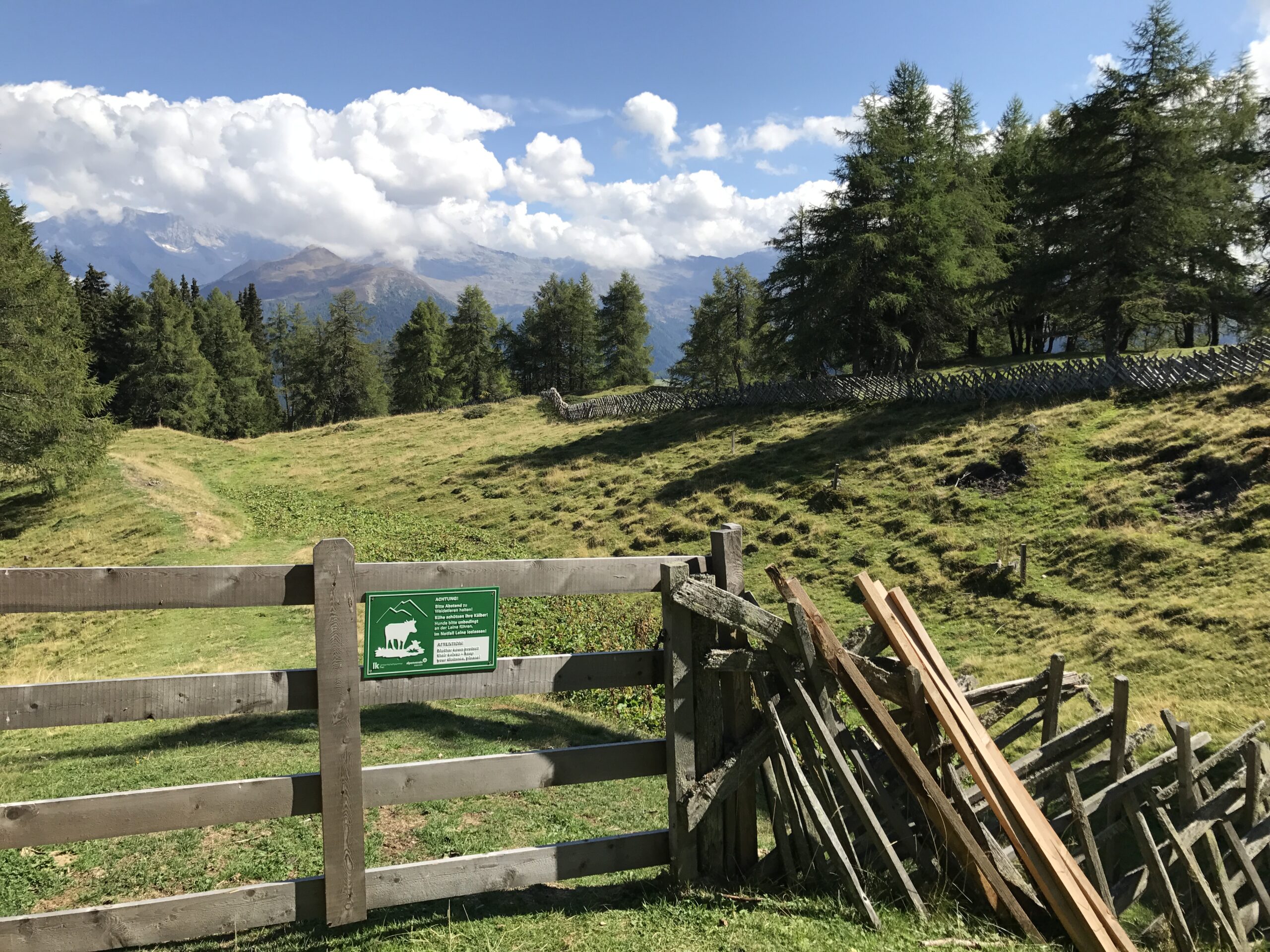
Fig. 4: Sign indicating a herd of suckler cows, posted by the Chamber of Agriculture and the Alpine Club.
Fig. 5: Warning signs on the Patscherkofel.
Photos: Christina Schwann
Construction Measures A solution has been found for the accident site in front of the Austriahütte. The area clearly identified as a “hotspot” (Fig. 6) will be “mitigated” with a pasture fence and a passageway that is safe for grazing livestock. The costs will be shared by the Austrian Alpine Club, as the trail maintainer, and the alpine farmer.
Case Study: Austriahütte
Katharina Wallner, the owner of the Austriahütte, has implemented a practical and simple measure herself: Starting with the 2026 season, she will no longer offer dog-friendly rooms. “That alone prevents hikers with dogs from coming to my hut late in the afternoon. The cows should at least be able to rest in the evening and morning hours.”
Communication
The pilot project is not yet complete. Overall, however, it aims to demonstrate how, in a region with heavy tourist traffic, alpine farming and recreational visitors (with dogs) can coexist, and how so-called “encounter zones” can be communicated and mitigated on-site—if necessary, through structural measures. The project emphasizes the need for cooperation among all stakeholders—such as landowners, alpine farmers, alpine clubs, and the tourism sector—as well as the role of a dedicated individual who takes the lead.
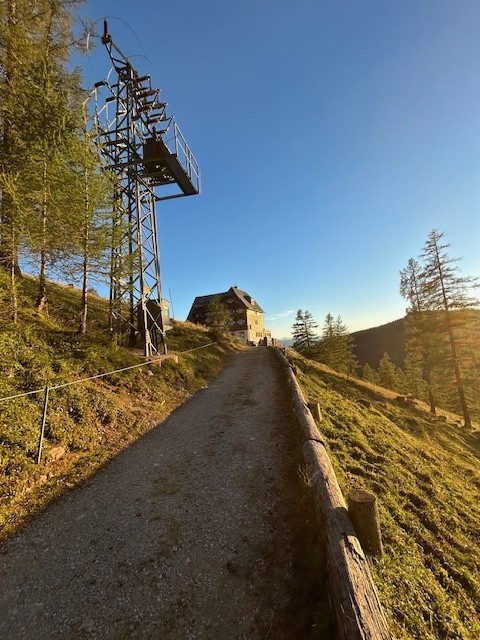
Fig. 6: The fatal accident in front of the Austriahütte occurred along this trail.
Photo: Alpine Police
Conclusion
Actual cow attacks on people are very rare. Many accidents are more likely due to “indirect” contact with cows—for example, when someone, out of fear, takes a wide detour around a herd of cows, ends up on rough or steep terrain, or gets caught in a fence. Sometimes cows also approach out of harmless curiosity. However, getting too close can quickly become dangerous simply because of the animals’ size and weight—they can (unintentionally) bump into, push aside, or knock over people.
However, the consequences and injury patterns following an actual cow attack are among the most dramatic we encounter in mountaineering. As with many other mountain sports disciplines (especially in a leadership context), the focus here is not on the legal consequences for the potentially liable party—which, under civil law, are usually covered by insurance—but rather on the personal ones. No one—neither the alpine farmer, nor the alpine police officer, nor other visitors to the alpine pasture—wants to find people who have been fatally or seriously injured alongside the hiking trail—with or without a dog. For this reason alone, such incidents must be prevented at all costs.
👉Lessons Learned
- Cows on the alpine pastures should always be treated with respect.
- Whenever possible, keep a safe distance, remain calm, and avoid drawing the animals’ attention—in other words, follow the ten official behavioral guidelines as much as possible. “Where possible” because, for example, bypassing the herd—as recommended in point six—is sometimes impossible or very difficult due to the terrain. It’s easy to slip, fall, get injured, or find yourself in such rough terrain that you can’t go any further and are literally stuck. So it’s important to weigh your options and, if necessary, keep turning back as a possibility in mind.
- It is important to realize that one’s own inappropriate behavior (approaching the animals, petting them, taking photos at close range, feeding them, etc.) can lead to shared responsibility for a subsequent accident. Conversely, you should speak up and educate people who engage in such behavior.
- A well-trained dog that’s comfortable in the mountains is a great companion on hikes and mountain tours—no question about it. As a dog owner, however, there are two things you should know. First: Cows—especially mother cows — are sensitive to dogs, particularly to their scent, which also clings to humans. And second: It doesn’t necessarily have to be your dog’s (inappropriate) behavior or your own that leads to an attack. You don’t know what the herd has already been through or how high their stress levels are. Saying, “But my dog is always so well-behaved,” just won’t help in that situation.
- Even at dog training school, visiting alpine pastures with a dog should be a topic of discussion: How should the dog behave in alpine pasture areas? What should you do in the event of an attack?
- When planning a hike, you should time and route your trip to avoid alpine pastures —especially those with herds of mother cows—meaning it’s best to wait until fall to go hiking with your dog in typical alpine regions.
- Speaking of trip planning: If you want to hike on your own, you need to prepare thoroughly in advance. But if essential information is missing, that’s difficult to do. For this reason, urgent efforts are needed to add warnings about herds of cows with calves (which are usually already posted in the field) to digital maps, so that this information—along with specific dates for when the cows are on the alpine pastures—can be accessed.
- At the start of the hiking and alpine pasture season, tourism organizations and alpine clubs must consistently use various channels to inform visitors about proper behavior on the alpine pastures. Guests must be informed about potential hazards—especially when traveling with dogs—before their vacation begins; ideally, they should be offered alternatives (e.g., in the fall).
- Specifically recommended dog-friendly trails should be developed in close consultation with local conditions and the alpine farmers.
- The obligations of animal owners are defined in various federal and state laws. It must be clear that hotspots where grazing animals and recreational users inevitably encounter one another due to narrow passages must be mitigated through structural measures—before an accident occurs.
- Under no circumstances shouldstray animals be herded. Warning signs modeled after the Tyrolean example—approved by the authorities and in accordance with nature conservation laws—are sensible and constitute an important element in legal precedent.
Footnotes and References
- Bätzing, Werner: Between Wilderness and Amusement Park—A Pamphlet on the Future of the Alps, 1st edition 2015, Zurich, Rotpunktverlag.
- Netzwerk Zukunftsraum Land: Fact Sheet: Pasture Management in Austria, May 2026: Accessed July 20, 2026: https://www.zukunftsraumland.at/wp-content/uploads/2026/05/nzl_factsheet_weidewirtschaft-in-oesterreich_barrierefrei.pdf
- Higher Federal Teaching and Research Institute for Agriculture Raumberg-Gumpenstein: Project “MuKuh Weide: Effects of Grazing and Stall Feeding on the Performance of Mother Cows and Their Calves,” DaFNE, project duration January 1, 2025 – December 31, 2030. Accessed July 20, 2026: https://dafne.at/projekte/mukuh-weide
- Austria Institute: Hiking in Austria: A Leisure Activity with a Long Tradition. Retrieved July 20, 2026: https://www.oesterreichinstitut.com/at/wandern-in-oesterreich/
- Konrad Lorenz Institute for Comparative Behavioral Research, Project Leader: Dr. Herbert Hoi, Project: Tourism: Potential for Conflict. Funding: BIOS Science Austria – Association for the Promotion of the Life Sciences, Project Duration: 01/2023–05/2024, Final Report: January 22, 2026. Accessed July 20, 2026: https://www.bios-science.at/almwirtschaft-und-tourismuskonfliktpotential/
- Blick: The more wolves there are, the more aggressively mother cows react, June 9, 2020. Retrieved July 27, 2026: https://www.blick.ch/news/grossraubtiere-je-mehr-woelfe-herumlaufen-desto-aggressiver-reagieren-mutterkuehe-id15928804.html
- Austrian Center for Bears, Wolves, and Lynx, wolf distribution maps. Accessed July 27, 2026: https://baer-wolf-luchs.at/verbreitungskarten/wolf-verbreitung/
- OGH – Supreme Court: April 30, 2020, OGH ruling – Cow attack on an alpine pasture: Farmer’s liability and contributory negligence. Retrieved on July 25, 2026: https://www.ogh.gv.at/entscheidungen/kuhattacke-auf-deralm-haftung-des-landwirts-und-mitverschulden-des-wanderers/